
Aronia plantsAdvice
Planting aronia in your own garden? Great choice! Here you’ll find planting and pruning guides for potted and bare-root plants, plus everything you need to know about Aronia Nero, our recommendation from over 30 years of breeding.
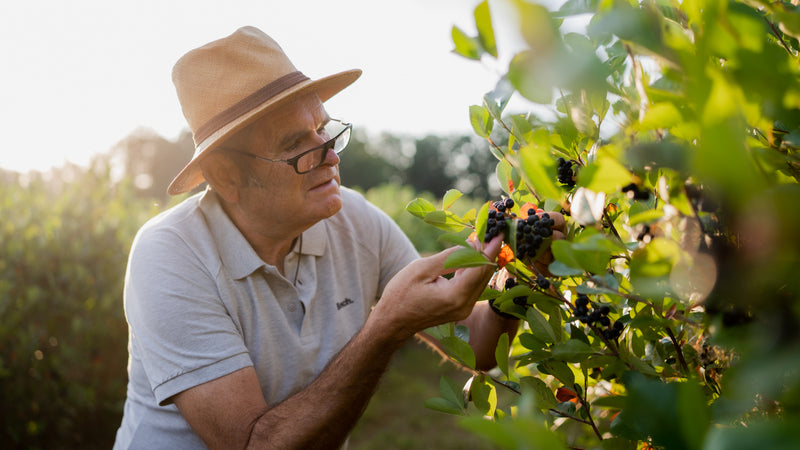
How to plant your aronia correctly
Protect roots from sun, dryness, and frost. Until planting, heel the shrubs into soil or store them in a wind-sheltered spot, covering the roots with damp sacks.
Plant from March to May and from September to November. Prune in late autumn, winter, or early spring. This is rarely needed.
Loosen soil, remove weeds, and apply organic fertilizer if needed (horn meal, compost, manure). Trim root tips and shorten shoots by 2/3. Leave one central shoot as the leader.
Dig a hole larger than the root volume, place the plant centrally, and cover up to just above the root collar. The area may be 2–3 cm higher, as it will settle with rain. Water thoroughly.
Aronia is self-fertile and bears fruit from the 2nd year. Harvest from late August/early September when the berries are dark red inside. Caution: The berries stain heavily!
Loosen soil and remove weeds, work in organic fertilizer if needed. Thoroughly water the plant before removing it from the pot.
Do not plant higher or deeper than in the nursery pot. Add about 2–3 cm of soil over the root ball and firm gently without compacting the depth. Water thoroughly and avoid midday sun.
Peat substrate dries out faster than garden soil, so check regularly. Use organic fertilizer (horn meal, compost, manure); avoid highly calcareous soil. Bark mulch prevents drying out.
Formative pruning in the 1st and 2nd year: remove crossing and overly dense shoots. Later, remove individual shoots at the base. Vigorous pruning leads to strong new growth.
Self-fertile, bears fruit from the 2nd year. Harvest ripe berries from late August/early September when they are dark red inside.
How to prune aronia correctly
less is more!Use sharp tools and cut just above a bud. When planting, shorten the shoots to about 40 cm and remove crossing shoots. One central shoot remains as the leading shoot. Potted plants do not require pruning at planting time.
After that, formative pruning is only needed in the first and second year: remove overly dense shoots and shorten the main shoot to encourage stronger branching. Later, remove individual shoots at the base to rejuvenate the shrub. Rule of thumb: Vigorous pruning leads to strong new growth.
Detailed guide (PDF)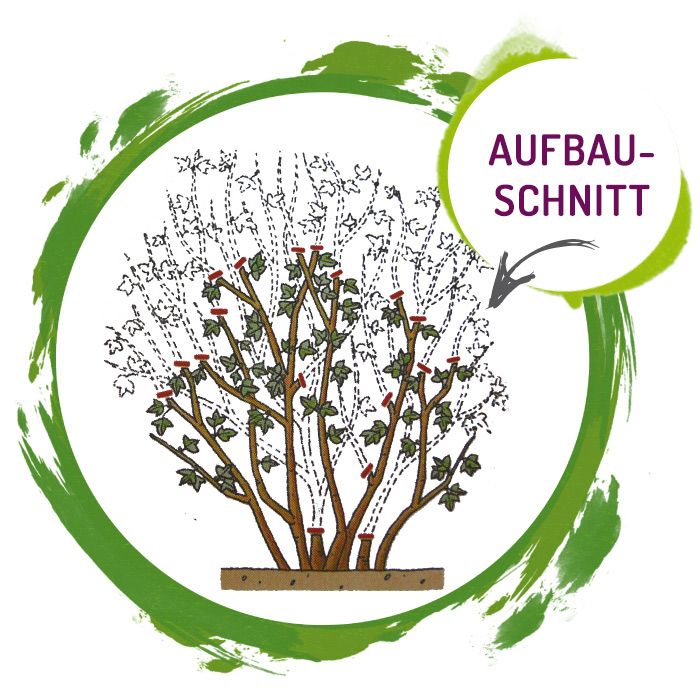

 Our recommendation
Why Aronia Nero?
A newly cultivated variety of the most popular aronia variety, developed through over 30 years of breeding. Its home: the Elbe Valley between Dresden and Meißen, where our growing partners have been cultivating their Elbaronia plantations for decades.
The firm-fleshed, deep black berries grow in clusters and are easy to harvest. Their fruity, aromatic taste makes them especially popular with children.
Unsere Pflanzen-Experten helfen bei Sortenwahl, Standort und Pflege.
+49 (0)351 896 659 0